Short answer: As of mid-November 2026, the largest listed mining company in the world is BHP, worth about $202 billion, followed by Southern Copper, Rio Tinto, Newmont and Zijin Mining. Copper and gold producers now fill most of the top ten, a list that iron ore and the old diversified giants used to own almost entirely.
This article is for information only. It is not investment advice, and nothing here is a recommendation to buy or sell any security. Market values change every day; the figures below are a snapshot.
The top ten at a glance
| Rank | Company | Market value (US$) | Headquarters | Main listing | Main products |
|---|---|---|---|---|---|
| 1 | BHP | $202bn | Melbourne, Australia | Sydney (ASX) | Iron ore, copper, coal, potash |
| 2 | Southern Copper | $140bn | Phoenix, United States | New York (NYSE) | Copper, molybdenum, silver |
| 3 | Rio Tinto | $135bn | London and Melbourne | London (LSE) and ASX | Iron ore, aluminium, copper, lithium |
| 4 | Newmont | $118bn | Denver, United States | NYSE | Gold, copper |
| 5 | Zijin Mining | $105bn | Fujian, China | Shanghai and Hong Kong | Copper, gold, zinc |
| 6 | Agnico Eagle Mines | $90bn | Toronto, Canada | Toronto (TSX) and NYSE | Gold |
| 7 | Freeport-McMoRan | $85bn | Phoenix, United States | NYSE | Copper, gold, molybdenum |
| 8 | Glencore | $80bn | Baar, Switzerland | LSE | Copper, cobalt, zinc, nickel, coal |
| 9 | Barrick Mining | $61bn | Toronto, Canada | NYSE and TSX | Gold, copper |
| 10 | Ma’aden | $61bn | Riyadh, Saudi Arabia | Saudi Exchange | Phosphate, aluminium, gold |
Market values as published by CompaniesMarketCap, retrieved on 15 November 2026 with delayed share prices, rounded to the nearest billion US dollars.
How this ranking was built
There is no single official list of the world’s biggest miners, and every ranking involves judgment calls. Ours is by market value, the total price the stock market puts on a company’s shares, because that is what an investor actually buys. We have applied three rules.
Mining companies only. A company qualifies if most of its value comes from mining metals and minerals. That excludes groups whose business is mainly coal and energy, such as China Shenhua Energy, even though it would rank near the top on size alone.
One company per mining business. Where a mining arm is listed separately from its parent, we count the mining arm. Southern Copper is included and its majority owner, Grupo México, is not, the same approach MINING.COM uses in its monthly ranking of the sector.
Listed companies only. State-owned miners without listed shares, such as Chile’s Codelco, are left out however large they are, because investors cannot buy them.
Market value is not the same as size of operations. A company producing less metal can be worth more if investors expect it to grow faster, operate in safer places or pay more back to shareholders. That gap is part of what makes the ranking interesting.
The ten companies
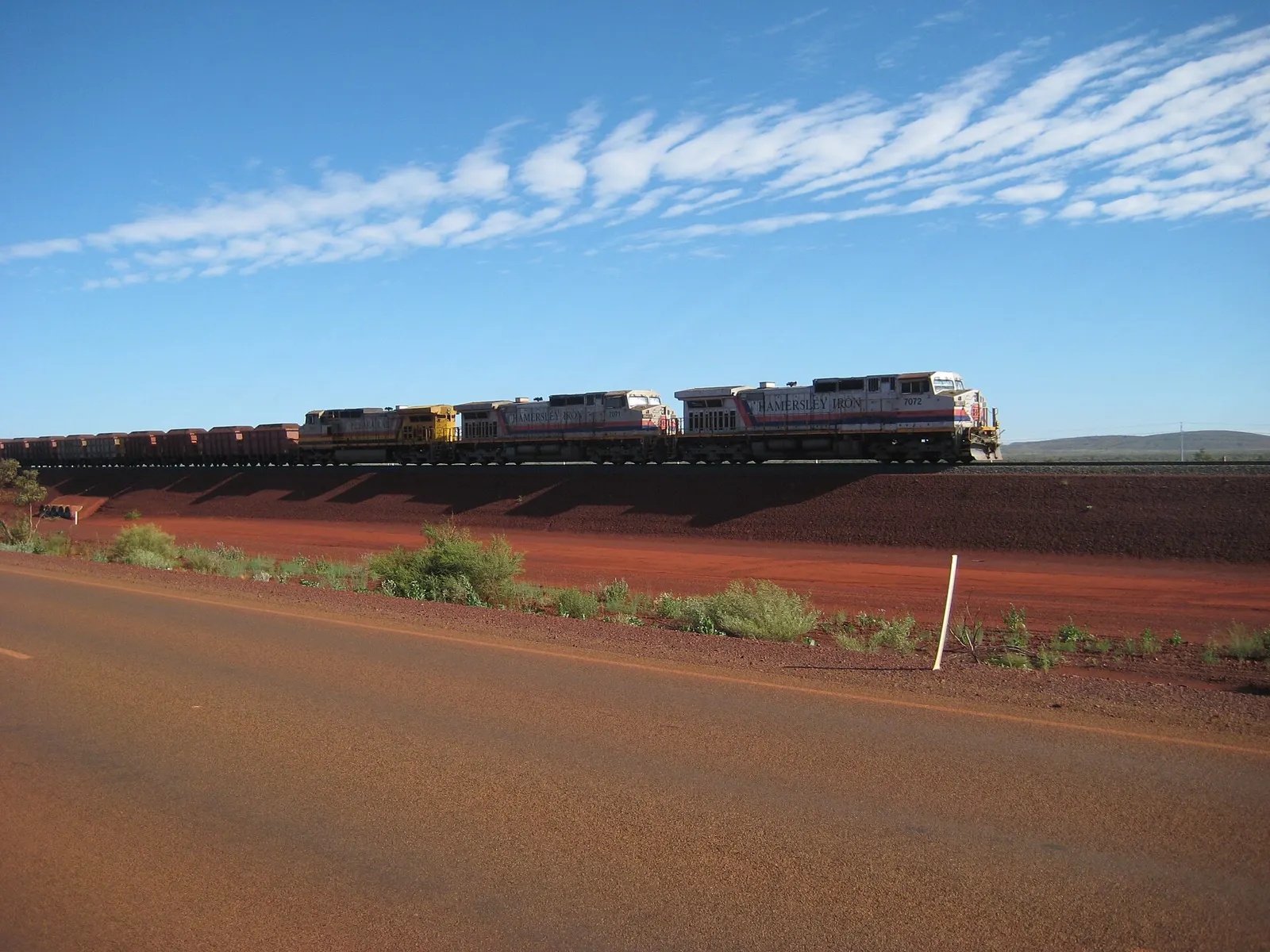
1. BHP. The largest miner in the world by market value, and for most of the last two decades by a wide margin. Its earnings still rest heavily on iron ore from Western Australia, but copper has become steadily more important, and it is building a large potash mine in Canada. Its primary listing has been in Sydney since it unified its dual structure in 2022.
2. Southern Copper. The mining arm of Grupo México, with large copper mines in Peru and Mexico and some of the biggest copper reserves held by any listed company. It has been one of the strongest performers of 2026 as copper prices set records.
3. Rio Tinto. BHP’s historic rival, with iron ore from Western Australia at its core, alongside aluminium, copper and a growing lithium business. It owns the Bingham Canyon copper mine in Utah and a majority of Oyu Tolgoi in Mongolia.
4. Newmont. The world’s largest gold producer, which became larger still after buying Australia’s Newcrest in 2023. It has since sold a number of smaller mines to concentrate on its biggest assets.
5. Zijin Mining. The largest Chinese miner on the list, built largely through acquisitions abroad. It produces copper, gold and zinc from mines across Asia, Africa, Europe and South America, and has been one of the fastest-growing companies in the sector.
6. Agnico Eagle Mines. A gold producer with most of its mines in Canada, along with operations in Finland, Mexico and Australia. Investors value it highly for operating mainly in stable jurisdictions.
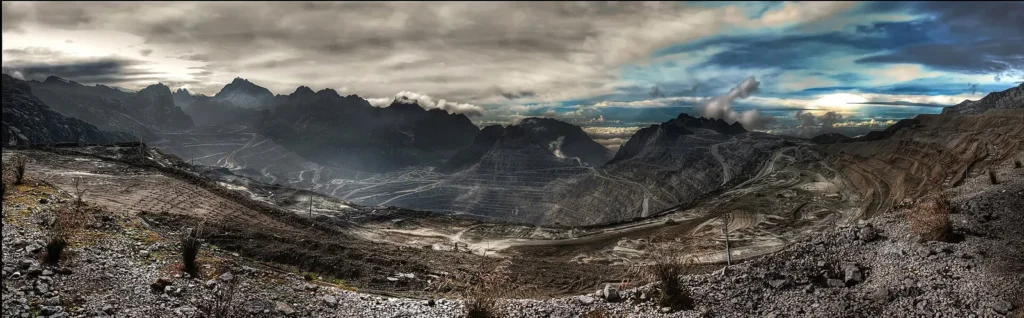
7. Freeport-McMoRan. One of the world’s largest copper producers, with mines in North and South America and the giant Grasberg mine in Indonesia, which also produces large amounts of gold.
8. Glencore. A miner and commodity trader in one, producing copper, cobalt, zinc, nickel and coal, and trading everything from metals to oil. Its trading arm makes it unlike any other company on the list.
9. Barrick Mining. One of the oldest names in gold, renamed from Barrick Gold in 2025 to reflect its growing copper business. Its mines span North and South America, Africa and Asia.
10. Ma’aden. Saudi Arabia’s national mining champion, majority-owned by the state’s Public Investment Fund but listed in Riyadh. It produces phosphate fertilisers, aluminium and gold, and is central to the kingdom’s plans to build a mining industry.
What the ranking tells you
Copper and gold rule. Of the ten companies, seven are mainly copper or gold producers. Twenty years ago the top of the table belonged to diversified groups selling iron ore, coal and base metals into China’s building boom. Vale and Anglo American, both fixtures of the old top five, are now outside the top ten.
The ranking moves a lot. Mining values swing with commodity prices, and 2026 has been a vivid example. MINING.COM reported that its top 50 had lost $712 billion, or 26%, since reaching a record $2.75 trillion at the end of February, with gold and silver producers among the hardest hit in October. Positions within the top ten can change within weeks. At the end of August, Southern Copper closed just $600 million behind Rio Tinto, having briefly overtaken it during the month.
Location matters. Canadian, Australian and American companies dominate, but the rise of Zijin and Ma’aden shows how much mining capital is now coming from China and the Gulf.
Size is not safety. The largest miners are more diversified than smaller ones, but they are still cyclical businesses. Their share prices and dividends rise and fall with the commodities they sell. For a wider view of how the sector works, see our guide to mining stocks.
Frequently asked questions
What is the largest mining company in the world?
By market value, BHP, at about $202 billion in mid-November 2026. It has held the top spot for most of the last two decades.
What is the largest gold mining company?
Newmont is the largest gold producer by both output and market value, at about $118 billion in mid-November 2026. Agnico Eagle and Barrick follow among the listed gold majors.
Why is Vale not in the top ten?
Vale, the Brazilian iron ore giant, was worth about $48 billion in mid-November 2026, below the tenth-placed company. Iron ore prices and the company’s own history, including the Brumadinho dam disaster in 2019, have weighed on its value while copper and gold miners have risen.
Why do different rankings of mining companies disagree?
Because they measure different things and apply different rules. Some rank by production or revenue rather than market value. Some include coal companies, holding companies or commodity traders; others exclude them. And market values change every day, so a ranking is only ever a snapshot.
Sources and further reading
- CompaniesMarketCap: Largest mining companies by market cap
- MINING.COM: Top 50 biggest mining companies
- MINING.COM: Value of top 50 mining companies surges after August rally
Photo: Calistemon, CC BY-SA 3.0, via Wikimedia Commons.